My non-fiction family memoir concerns an evolving planetary catastrophe. I am just learning how to manage this site, the format will change!
The Eastern Oregon desert, photographed after the solar eclipse of August 21, 2017.
Summer Lake and the adjoining Paisley caves in Eastern Oregon were inhabited 14,000 years ago, then flooded by Lake Chewaucan at the end of the ice ages. This mud flat is a type locale of the Anthropocene event as humans began a global transformation.
Foreword
To surmount the impending climate catastrophe, we must understand its history. In the year 2000, chemist Paul Crutzen and biologist Eugene Stoermer began to popularize the neologism ‘Anthropocene’ as a human-induced geological event. The growth in the atmospheric concentrations of several greenhouse gases may have begun with human activity in the Neolithic, the latter part of the Stone Age, but global climate heating is now clearly associated with the massive consumption of fossil fuels as a source of energy. There are many technical details, which the reader is free to skip. Steam power and internal combustion technologies changed the land and oceans in a manner that dwarfed all previous domestic uses of fuels and mineral resources. The loosely defined, geological Anthropocene coincides with a profound transformation of society and the environment that portends either a new age of liberation and enlightenment, or the dissolution of civilization.
Climate heating caused by greenhouse-gas pollution is our immediate concern. This memoir addresses it through my family’s connections to the history of harnessing fossil fuels. My grandfather and great-grandfather worked on the railroads, and grandfather Frank was one of the first employees of General Motors. My uncles launched and promoted the automotive and passenger airline industries during that revolution in transportation. My parents chronicled the political and social strife that arose in the course of this worldwide transformation. Now the condition of terra firma is my personal inheritance as a planetary scientist, but I am not the first to look at it from a family perspective.
The context of human history is primeval. John McPhee coined the phrase “deep time” to describe our planet’s geological evolution in his collection Annals of the Former World (1998).The descriptions of nature in the fictionalized diaries of Wallace Stegner’s Angle of Repose (1971), and the non-fictional, measured geological prose of Marcia Bjornerud’s Timefulness: How thinking like a geologist can help save the world (2018) also take the reader through deep time. The climate scientist David Goodrich crisscrossed the continent in epic bicycle journeys to examine the ancient origins of fossil fuels in A Voyage Across an Ancient Ocean (2020)and their ecological consequences in A Hole in the Wind (2017). A journalist John Vaillant in Fire Weather (2023) described the onset of epic wildfires, such as one that took place, ironically, in the far northern Alberta bitumen oil extraction districts, as the hallmark of the “petrocene” era.
The memoir begins with my parents meeting at a lecture by the daughter of Marie Curie, discoverer of two radioactive chemical elements. When my parents went to school there were 92 elements (my grandparents had only 64). In the decades hence, 26 more have been discovered or created. Many of the elements beyond uranium were discovered in fallout from the explosion of thermonuclear bombs. The fictional minerals and elements in popular culture with mystical properties—kryptonite, dilithium, vibranium, unobtanium—cannot compare with the miracle of chemistry on Earth and in our Solar System, the elements that gave rise to life. Modal and isotopic measurements of these elements show that the land we live on and the air we breathe are limited resources. In this knowledge lies our ability to determine our future.
As David Simon and Ed Burns said when they ended the HBO series set in Baltimore,The Wire, “if people haven’t got it by the end of the 5th season, they never will.” This is a story about the rise and fall of the current social system. It involves planetary evolution, social evolution, religion, love, cruelty, severe weather, catastrophic climate change, old photographs, and fashion. Hopefully you will get it.
Introduction
In the early spring of 1940, Doris McGlone, a University coed in Ann Arbor, Michigan, was attending a lecture by Ève Denise Curie. Ève had recently published a biography of her Polish-French mother Marie Sklodowska Curie, who with her husband Pierre had isolated the radioactive elements polonium and radium, launching a scientific revolution that ushered in the modern world. Seated next to Doris in the balcony, a man leaned over and whispered, “Is that a Schiaparelli gown she’s wearing?” That was William Neumann’s opening line, the man who was to become her husband, and seven years later, my father.
Doris didn’t know the answer, but she was flattered that this fellow thought she was the kind who would know. War clouds were gathering over France and Ms. Curie was lecturing on “French Women and the War”. Mme. Elsa Schiaparelli, the clothes designer, had just fled Paris and was likewise touring the U.S. As she was planning her tour, Ève had scandalized Schiaparelli by assembling no special wardrobe. Schiaparelli told her “it would be ridiculous for you to appear in pre-War costumes!” So, the publicity-wise couturier created gowns for her—among other things, a black oilskin coat lined with fluffy lamb’s wool and equipped with huge pockets—just the thing for a Paris air raid, or lecturing in Michigan. Unlike her mother, who usually wore simple, black dresses, the musician and wartime journalist Ève “always cared about smart clothes, wore high-heeled shoes and make-up, and loved shining at parties.”
Doris and Bill began dating, as she put it, “at the dangerous time of lilacs in spring.” Radioactive decay allows us to date the appearance of the woody, flowering plants from which the fragrant lilacs descended, and also made possible scientific dating of the human species and its effect on the land.
Spring is but one season in human history, which spans many millennia, and hopefully many more generations. Geologists debate whether to formalize the modern period as the Anthropocene, an event in the current geological epoch, the Holocene. The salient and undeniably human aspects of the Anthropocene are the now-leveled mountains that once covered vast fossil resources, the polluted atmosphere and oceans caused by the burning of hundreds of millions of years of fossilized plants at an unprecedented rate, the radioactive traces of the Atomic Age, and the Space Age satellites that have explored the entire Solar System. The explosive growth of urban population, the rapid increases in water and energy consumption, especially due to modern transportation and industrial agriculture, and lately the greater prevalence of hurricanes, floods, and heat waves with their brutal effects, are the visible changes to our planet. To chalk them up simply to human activity obscures, of course, the complexity of interaction between nature and the social organization of our now-dominant species.
Rapid climate changes and species extinctions, perhaps ultimately our own, certainly deserve a scientific name. Petroleum-based microplastics, abandoned man-made satellites, and traces of “forever chemicals” are markers of this event that will be seen long in the future. To create a new unit of geological time may represent a conceited view of our importance in the history of the Earth, but with such conceit perhaps we shall recognize what needs to be done before we too vanish.
Doris’ father Frank McGlone kept journals, beginning in 1886, and through good fortune many of the yearly volumes were passed down to his daughter. They told of his farming and railroading life in the rural Midwest and his intermittent work in industry during Mark Twain’s Gilded Age, the post-Civil-War era of materialistic excess and political corruption accompanying the growth of industry and westward expansion. They chronicle a few years Frank spent as a lay minister for the Moody Bible Institute, and conclude with his employment in the newly-formed General Motors colossus. Frank and his sons built the automobiles that made Flint, Michigan the Vehicle City, made the paints that covered the cars, and helped start the passenger airline industry in Chicago.
Doris was too involved in teaching and travelling to write a memoir. She kept only some of her many letters. After retirement, she was interviewed into a tape recorder about her childhood and family, high school years, college, engagement and marriage. As the youngest child of her family, she left those reminiscences, together with her father’s journals, to her children as a final lesson on the blackboard.
This memoir will tie my personal family history into the history of science, the history of human impact on climate, and prospects for the resolution of the Anthropocene crisis.
Part I Deep Time The Curie family’s research and an absolute geological time scale. But feel free to skip the details. Deep time ranges from 13.8 Ga to the modern age of recorded history. Our memoir lies within the last hundred millionth of cosmic time. Radiometric dating, genomics, DNA analysis, paleoclimatology, and the contributions of women in the physical sciences connect us with our ancestry.
In biology as in societies, cooperation between individuals develops out of necessity to surmount environmental challenges. We will never fully know our ancestors, but as scientific knowledge has grown, so has our access to the past. Starting almost four billion years ago, some simple forms of life deposited a slimy and scratchy biogenic material that was fossilized as stromatolites on future rocks. Colonies of bacteria or archaea, many of which are known as extremophiles (lovers of hostile environments such as hot springs or animal intestines), continue to extract carbon from the atmosphere and form microbial mats that become fossilized through the ages. The evolution of the multicellular eukaryotes (cells with nuclei) from which we are descended, and the oxygenation of the atmosphere starting 2.33 billion years ago (Ga) that made it possible for us to breathe and harness fire, are matters of ongoing study.
The precursors of those fragrant lilac bushes and the insects that pollinated them emerged several hundred million years ago, long before humans walked the Earth. Climatic swings from a snowball planet to tropical hothouse, punctuated by catastrophic events and mass extinctions, caused natural selection to proceed for billions of years. Modern hominids, beings who resemble us, emerged in the last 400,000 years, merely 0.01% of geologic time. Recorded history that began during the Bronze Age ~4,200 years before present is only a millionth of the time of Earth’s evolution, and Doris’s family tree can be traced back to only a tenth of that. To use a football field analogy of the Earth’s existence, history is but a grain of sand, and our lifespans are the size of the tiniest bacterium. We must digress into astrophysics, paleobotany and archeology to cover the other 99.99999% of that time.
Time: a really neat concept, but hard to pin down. Time is what clocks measure. In quantum mechanics time is reversible, in thermodynamics it has a forward direction, and in cosmology it has something to do with the expansion of the universe, currently accelerating for unknown reasons, starting with an extremely hot, dense, and imponderable soup about 13.8 billion years ago pejoratively called “the Big Bang”. The astronomer Fred Hoyle coined this term in 1949, but such a singular event was originally described as a consequence of Einstein’s general relativity by a Belgian priest, Georges Lemaître, in 1927. Unanswered questions abound in cosmology, laughably asked as ‘what went bang, where did it happen, what was it before it went bang,’ etc., but the only way to really grapple with such questions, as Nobel prizewinning astrophysicist and cosmologist John Mather says, is to build instruments and measure things. And so, after measuring the background radio signal left by “cosmic inflation”, his latest James Webb Space Telescope with its honeycomb array of mirrors is now seeing stars and planetary systems like ours popping out of clouds of dust, generations after the first primordial stars existed and exploded about 13 billion years ago.
A remarkable student from the U.K., Cecilia Payne, showed spectroscopically in 1925 that the bulk of the visible universe that resulted from this early event is composed of hydrogen and smaller amounts of helium, neither gaseous element being sufficient to support life. Her thesis examiners required her to state that her results “certainly were not real”, since Sir Arthur Eddington had already decided that the composition of the Sun and stars was similar to Earth’s. It was four and a half years before the conservative Harvard faculty accepted her discovery, and another three decades before Cecila became a professor of astronomy. Payne-Gaposchkin’s portrait now hangs in Harvard’s faculty room.
Thirty years later, building on her wartime research and fighting sexism in the sciences all the while, Eleanor Margaret Burbidge and coauthors showed that astrophysical reactions in the beautifully glowing stars of the night create the carbon in our proteins and the iron in our blood. Planetary scientist Carl Sagan described these “metals” as “star stuff”, the precursors of planet Earth. These gaseous clouds and grains of dust that formed our solar system only exist because of the explosions of nearby stars in our galaxy, some more than twice as old as the Sun.
The aforementioned discoveries reflect the increasing role of expatriate women like Marie Curie (and her Nobel-prizewinning daughter Irène) in the physical sciences during the Anthropocene. The educational advancement of women in the 19th and 20th centuries was undoubtedly aided by the advances in productivity entailed by the industrial revolution and its commodity mode of production, and the ease of travel achieved by railroads and steamships. After Cecilia Payne’s characterization of the bulk of the matter that makes up the visible universe, the work of one of Burbidges’ collaborators, astronomer Vera Rubin, also initially barred from admission to graduate schools and observatories on account of gender, led to the groundbreaking discovery that only a small fraction of Newton’s gravitational mass in the universe is observable, the rest being composed of mysterious “dark matter” and “dark energy”.
Planets have formed throughout most of the universe’s 13.8-billion-year history, leaving open the possibility for the existence of ancient life in the Galaxy, but the Earth-sized planets of such old, metal-poor stars, such as Kepler 444, are unlikely to have our rich, fertile soil. Besides needing the organic compounds of hydrogen, carbon, nitrogen, and oxygen, major nutrients of phosphorus, potassium, sulfur, calcium and magnesium are vital, usually together with the silicon that provides the scaffolding for minerals and rocks. Traces of boron, chlorine, copper, iron, manganese, molybdenum, and zinc are also needed by plant life. Chromium, cobalt, strontium, nickel and vanadium are considered beneficial in trace amounts. While ubiquitous sodium is only required by some plants, the nervous systems of animals would not be possible without it, and some animals require traces of fluorine, iodine, bromine and even arsenic and selenium for health. Of the lighter elements created by early stellar nucleosynthesis, which comprise the first four rows of the periodic table, only the inert gases and six other elements, beryllium, aluminum, scandium, titanium, gallium, and germanium, are apparently not needed by any living thing. Only a couple of the heavier elements in rows five and six of the table, tin and lanthanum, are essential micronutrients, but apart from that, none of the “precious” metals in these rows are needed for life. But where would fashion be without the glitter of silver and gold, platinum and rhodium?
In the more recent (0.1%) Earth history, from the end of the Miocene, “deep time” proxies suggest a climate that was much warmer than today. Trees grew in Antarctica, while grasslands expanded in former forests. Large-skulled, jutting-chin primates, known as hominids, differentiated and evolved through untold generations. The species we call homo sapiens migrated out of Africa across several continents and eventually replaced the toothy, long-faced Denisovans and the technologically advanced Neanderthals of Eurasia. Early humans survived over the course of repeated cycles of glaciation and subsidence, sea level transgression and regression. Land bridges formed during these glacial periods, allowing migration to Pacific islands and over the Bering Strait to the Americas.
As primates descended to grasslands from trees in response to Miocene climatic changes, arguably driven by plate tectonics and volcanic outpourings of greenhouse gases, they learned to walk upright. This freed their hands to use tools, allowed their skulls to expand, and larynxes to evolve. As their anatomy developed, so did the variety of sounds they used to communicate, precursors of monosyllabic speech and complex language. The use of fire and animal hides for clothing to ward off the chill dates back at least a million years. An omnivorous diet enhanced by cooking allowed more energetic activity than simple gathering of food. Hunting with spears hardened in flames, overcoming hunger and the ever-challenging forces of nature, these apes developed social organization, empathy, and emotions for millions of years before recognizably human skeletons evolved. They mourned and ritually buried their dead.
Fashion, particularly shoes, developed in response to variations in climate. Clothing was widespread by 170,000 years ago, as evidenced by new types of body lice adapted to life in caves warmed by fire. During the ice ages (Pleistocene epoch), an affliction known as “cold feet” was more than just a loss of nerve and refusal to proceed. The cobbler’s trade emerged. By 40,000 years ago the bones of the feet had evolved to adapt to wearing shoes and to allow a more confident step. No other species wears Birkenstocks.
Evidence of sophisticated use of chert and bone-based tools suggests that humans had migrated as far as the North China plains and Australia by 40,000 years ago, their travel helped by lower ice-age sea levels. The furry skins of animals that cave people wore were blackened by soot to preserve them after being scraped clean. Among the flakes of chert tools are found layers of ocher. Presumably the red and yellow ocher-colored hides, as opposed to charcoal-tanned furs, were widely heralded as the new black.
The domination of homo sapiens over Neanderthals and Denisovans in the Middle Paleolithic, 300,000–50,000 years Before Present (BP), is not Stanley Kubrick’s 2001 awakening story in the desert. It may have been a friendly domination, because “sharing DNA” has given humans fragments of genomes with origins in several hominid species. Such intermingling spanned continents and imparted medically important traits that promoted survival across repeated ice ages. Estimates of Denisovan DNA in Iceland of 3.3% and upwards of 5% in some Melanesian populations are evidence of widespread interbreeding between human species and, doubtless, of cultural and technological exchanges. Archaic technologies and human figurative art were developed by now-extinct hominids well before 40,000 years ago, and were later perfected in the Upper Paleolithic, presumably by homo sapiens. Some of these fraternal species must have coexisted with anatomically modern humans, given the burial records found in a few well-preserved cave sites. While humans and Neanderthals may have coexisted peacefully, it is also possible that the early humans stole their technology, clothes and jewelry and then ate them.
Signs of modern behavior emerged at the end of this Middle Paleolithic period— fishing as a livelihood, stone blades and spears, kitchens, needles, thread, and above all, fashionable furs. Art forms and ritual burials attest to the evolving human traits of abstract thinking and love. Musical flutes are found where these hominid species lived in Europe, evidenced by appropriately-spaced holes drilled in the bones of cave bears. Our ancestors survived the most recent ice ages that began roughly 33,000 years ago when glaciers covered much of North America and Europe, and their numbers grew, but we will never hear their songs nor feel their emotions.
Radiometric Dating
The discovery of radioactivity by Henri Becquerel, who shared the Nobel Prize with Marie and Pierre Curie for their characterization of radioactive elements, was the trigger that resulted in that fateful lecture in Michigan where my parents Doris and Bill met. Ernest Rutherford’s exponential decay law, whereby a constant decay rate (half-life) characterizes nuclear phenomena, gave rise to a surge of discoveries regarding the age of the Earth. Bertram Boltwood (1906) found that the ratio of radiogenic lead to uranium provides a method of dating rocks. After many decades, the study of radioactive decay chains addressed the vexing inconsistencies between the rather brief Biblical time scale, Newton’s and Kelvin’s somewhat longer estimates of cooling times, and the evidence found by geologists and evolutionists that the Earth was 100–1000 times older than said by scripture or geophysics. Slowly decaying primordial elements such as uranium and thorium revealed the true age to be 4.5 billion years, give or take a few million.
The most important techniques for dating materials came from the atomic physics laboratories in the decades following Ève’s pre-war lecture in Michigan. Cosmic rays create unstable nuclides such as carbon-14 (14C) and 10Be, with half-lives spanning 5,700 to millions of years. These radioisotopes are deposited in rocks exposed to the surface and absorbed by living things. Their decay provides enduring chronometers for pre-historic times and absolute ties between stratigraphic records. Indeed, post-WW2 archaeology and climatology underwent a complete renaissance when these durable (but less precise) isotopic models extended chronologies backwards in time from the precisely dated record of growth rings of trees. Isotope systematics provide the ages of sections of oceanic drill cores, such as the ones on display at the Lamont-Doherty campus of Columbia University and thereby date prehistoric climate events, such as those on the European continent, repeatedly covered by ice sheets. (Insert image of drill core)
Growth rings in living and ancient pieces of wood can now be stitched together to track climate history for 13,910 years. Along with 14C and other radioactive elements, there are stable heavy isotopes of hydrogen and oxygen found in organic molecules and oceanic water. Fractionation of isotopes is a feature of the water cycle. Lighter isotopes evaporate more readily from the ocean and heavier ones are lost preferentially by precipitation. The rise and fall of sea level as temperatures change alters the concentration of these isotopes in glacial ice. These subtle variations in concentration are recorded in lake sediments and ice cores as well as tree rings, and allow us to infer prehistoric temperatures.
Temperature in Greenland over the last 20,000 years. The Last Glacial Maximum (LGM) was a prolonged cold period during the Pleistocene epoch that followed the Eemian warm period more than 120,000 years ago. Sea levels rose intermittently as ice sheets broke off, creating sediment layers of continental debris (Heinrich Events). Many such episodes culminated in the transition to the current Holocene epoch (red arrow). Agriculture began in a period of quickly increasing temperature at the end of the Younger Dryas, followed by the long, steady warm period of the Holocene for the last 8,000 years during which civilization expanded. Platt, D. E. et al. (26 May 2019)
Part II Ice Ages, Climate Swings, and Human Migration Social systems evolving with climate change. Fossil-fueled railroads develop along with the discovery of greenhouse gas warming. The crucial role of the atmosphere in the Earth Energy Imbalance.
Around the end of the preceding Pliocene epoch, the Earth was cooler than in the preceding millions of years. Continental drift joined the previously isolated North and South American continents at the Isthmus of Panama and enclosed the Mediterranean Sea, changing ocean circulation patterns, making seasons more pronounced and drying forests in which our precursor species lived. The onset of glaciation in the Northern Hemisphere marked the advent of the Pleistocene epoch, during which it is thought that our genus homo emerged and walked upright. Climate alternated from glacial to temperate in 41,000 and 100,000 year year cycles, tied in complex ways to plate tectonics, ocean circulation, and Earth’s orbital variables.
In the middle of one of these glacial climatic periods, about 50,000 years ago, anatomically modern humans, homo sapiens with a skeletal structure indistinguishable from present-day individuals, arrived in Europe, Australia, and elsewhere, during the late Pleistocene ice ages, and coexisted with Neanderthals and other hominins. Recent genomic studies suggest that interbreeding took place for millennia. Within 10,000 years, those other body types disappear from the archaeological record. With technological advances in sample preparation and analysis, the dates assigned to the limited evidence preserved are too fuzzy to resolve how rapidly this took place after more than 99% of the radiocarbon has decayed. As a final gift from the Curie family, the radioactive phosphorus atoms attached to human DNA molecules have given rise to the emerging discipline of evolutionary genomics, whereby correlation of genetic sequences provides statistical chronologies much further back in time.
Pleistocene
The Last Glacial Maximum (LGM) lasted until about 15,000 years ago (15 ka). Glaciers had slowly begun to recede in the Northern Hemisphere starting about 20 ka, uncovering Boston and Manhattan, New York. Melting of the West Antarctic Ice Sheet started between 14 and 15 ka, and within a few centuries of warming, major changes occurred in sea level. Greenland ice cores show an abrupt warming that marks the final stage of the Pleistocene “ice ages”. The epoch receded in what is known as the Bølling–Allerød interstadial, an abrupt warm and moist period that ran from 14,690 to 12,890 years before the present.
The Pleistocene warm period, similar to the tropical paradise in which we now live, was brief. A millennium or so later, a possible comet or meteor impact triggered what is known as the Younger Dryas climate shift. Temperatures fell, glaciers again covered the British Isles. Many large mammals disappeared, unable to adapt to predators and changing habitats.
Holocene Transition
Another millennium passed before the ice age glaciers finally receded at the start of the Holocene Epoch, about 10 ka. Modern humans had visited the Americas well before this transition. They tracked the receding glaciers and retreating coastlines, having made use of the low sea levels to cross the Bering Strait along the Beringian Bridge. At times they ventured along the lush mountains of the North American Cordillera into what are now dry deserts. There is evidence of stoneworks in Mexico older than 30 ka, and that human footprints discovered in White Sands, New Mexico were left in Lake Otero at 22 ka. As the sea levels rose, the warmed, moisture-rich air quenched the dust storms that had clouded the atmosphere, making more of the Earth habitable.
Lake Bonneville in Nevada overflowed and flooded the Snake River Plain in Idaho. The Missoula Lake floods filled the Columbia River. Lake Lahontan covered 8500 square miles of Nevada, and a smaller land-locked Lake Chewaucan in southern Oregon filled to 125 m (400’) higher than its present desiccated remnant, Summer Lake. The Paisley Caves along its shoreline contain coprolites (fossilized turds) dated to more than 14,000 years ago. According to the DNA recovered from their poop, these humans subsisted on waterfowl, fish, and large mammals. They cooked and ate the flesh of now-extinct species of camels, horses, and bison on a small rock-lined hearth, surrounded by canines domesticated from wolves, not the present-day species but their close cousins, now extinct.
Humans leaving footprints. Silhouette of the author, 2017, at Summer Lake, Oregon (Lake Chewaucan)
Beginnings of the Anthropocene
Primitive beings burning wood for a million years may have deforested large expanses of land but had only a tiny effect on the amount of carbon dioxide (CO2) in the atmosphere. Burial of organic matter underwater, and erosion of continents whose minerals combine with and sequester CO2, caused modest fluctuations in its concentration. For the last million years, atmospheric CO2 concentration varied between roughly 180–290 parts per million (ppm) as the Earth cycled through glacial cold and interglacial warm periods. Only in 1958 (as described in the Space Age chapter) did precise measurements of atmospheric CO2 begin and show how much humans can affect the atmosphere.
These beings, however, had a major ecological impact on Eurasia and the Americas. Archaeology of Clovis-age settlements (11,500–11,000 years BP) shows that humans had transitioned from gathering nuts and the slaughter of the now-extinct mastodons, to sheepherding, seasonal agriculture with domesticated grains, and making pottery for storage. Their tools evolved and nomadic societies became settled communities. With granaries came verminous rodents, so cats were convenient to have in order to control them.
Neolithic civilizations, marked by accumulation of grain and trade, required more efficient methods of transport than the backs of animals. They sealed their boats with naturally occurring asphalt bitumen. Ships could only navigate open waters and portions of rivers, until the development of pound locks in the 10th century in China and the 15th century in Europe. Despite the dangers of the sea and variable conditions of inland canal transport, floating vessels have always consumed much less energy than overland transport.
A seminal event was the invention of the wheel about 5400 years ago, perhaps in the Indus valley in Harappan times, possibly for an oxcart in Poland or a wheelbarrow in Germany. The animal-drawn cart wheels left characteristic tracks that became roads. Oxen and horses could be relied on to draw carriages in the desired direction, later along wooden planks, covered with metal sheaths to reduce friction. For heavier loads, steel wheels eventually replaced wooden ones. Five millennia later a steel flange was added to the wheel to keep transport units on track. Rail transport then became possible without animal guidance. The rubber pneumatic tires developed by the Scotsmen Thompson and Dunlop cushioned the ride of bicycles and motor cars, while asphalt and concrete paving led to the Autobahn, Interstate Highways, and drive-in restaurants with their mini-skirted carhops on roller skates.
Bronze Age
Indigenous people mined copper in the Great Lakes in reduced (metallic) form 9,500 years ago to make implements. The people of the Old Copper Culture, finding stone tools superior to the pure soft metal, eventually abandoned copper implements. Fashion triumphed over function about 3,000 years ago; after that, early Native Americans used copper mostly for smaller, less utilitarian items associated with adornment, such as beads and bracelets.
In Cyprus (whose Greek name Kýpros was given to the metal copper) the practice of smelting copper ore with charcoal and umber to make armor began ca. 2760 BCE (Before Common Era). Transportation enabled trade, necessary to distribute minerals, and neolithic people alloyed the softer native copper with other metals to make bronze tools, tablets and statues. Properties varied with the early mixtures of ores from 3500 BCE within the Vinča culture in southeast Europe, but alloying with tin was found to be superior to the toxic arsenic previously added to harden copper. Tin is rarely found in high concentrations, and had to be imported from what is now Germany, and from Cornwall in the British Isles. Possibly my Teutonic or Celtic ancestors were diggers of minerals.
Little is cohesively recorded of the Bronze Ages, mostly told by the surviving relics of precious metal. Urban social structures developed around the mining of ore, possession of tools, and transport. Some of the glyphs of early forms of writing are still in use, e.g., the horns of an ox became the protrusions of the Aleph or Alpha or letter A.
Bronze weapons could quickly settle disputes over territory and food. Their possession often entailed formation of armies and destructive warfare: the sieges, sacking and reducing of cities while taking prisoners that continue to this day. More powerful weapons such as the longbow made metal armor less effective in battle. The invention of gunpowder and rocketry in China altered the battlefield entirely. Chemical explosives rendered most forms of armor obsolete, but highly polished and jeweled helmets are still fashionable amongst nobility.
Slavery and the Rise of Philosophy
Along with metallurgy came increasing concentrations of resources and power. In due course, slavery emerged as a form of wealth accumulation. For example, chattel slavery was already written into law by 2100 BCE in Sumeria. King Ur-Nammu codified the long-standing practice in Mesopotamia of human enslavement (ownership of labor power in its entirety without compensation) that predates written records, along with laws concerning private ownership of land that made slave labor advantageous. The enhanced productivity of agriculture was furthered by improved tools, irrigation, and the use of domesticated animals such as horses as well as slaves. In this era, the great Stonehenge monument was erected in England as were the great pyramids of Egypt. Unpaid conscription could not have provided both the immense skills and the million man-years required to build the Great Pyramid of Giza. The skilled laborers were honored by being buried alongside the tomb of their king.
Weights and measures, then money in the form of representative shekels and later as minted bronze coin exchanged for goods and labor emerged around this time, possibly to support these massive projects. The origins of such payments are lost to antiquity, but the evolution of currency as a representative of amounts of goods and labor eventually transformed human society. It took another few millennia to make human slaves a basic commodity of western colonialism, e.g., the trans-Atlantic trade originating in the 16th century onward settlement of plantations in the Americas by Conquistadors and their gold-and-silver economies.
Communalism and ethnocentricity may date to pre-historic times, but it took the slave trade and Eurocentric thinkers to crystallize the identification of skin color with a bogus notion of racial superiority. The English colonization of the Americas began a holocaust that killed and enslaved tens of millions of Africans, whose misfortune was to be recognizably dark-skinned. Benjamin Franklin, the colonial and signer of the Declaration of Independence, looked down on the “Blacks and Tawneys”, although he included Germans, Spaniards, Italians, French, Russians and Swedes in this category. The infamous Dred Scott v. Sandford ruling in 1857 by Chief Justice Taney said that black-skinned people were considered property, and that when the Constitution was framed, those with an African inheritance were regarded as “beings of an inferior order … and so far inferior, that they had no rights which the white man was bound to respect; and that the negro might justly and lawfully be reduced to slavery for his benefit.”
Two centuries ago, the state of Virginia formally outlawed the importation of slaves into the New World. Nearly a century later, Brazil became the last such country to abolish the slave trade. Another century passed, and the United Nations Educational, Scientific, and Cultural Organization (UNESCO) repudiated racism and affirmed the equal rights of all humans as one species.
Long before the 1978 Declaration, indentured servitude and the wages system had emerged. This market-driven, unstable enslavement precipitated the migration of many of our ancestors to a land of greater individual opportunity (for Europeans, at any rate).
Along with slavery and many centuries of wars between kingdoms and city-states arose a form of introspection now called philosophy. Religious scriptures collectively known as Vedas or Epics were recorded about 4,000 years ago although there are no precise chronological milestones for that. From ca 500 BCE, Confucius, Mencius, Socrates, Plato, and Aristotle recorded their dialogues concerning the mind. Their ideas were not always popular with the priesthood, and those philosophers sometimes suffered accordingly. The important results of their explorations were the recognition of logic in various forms, and the idealistic concept of a distinctly human nature, not just the mortal being that we share with lower species.
Greek philosophers who were attuned to the prevailing order provided a justification for enslavement, saying that some [Athenian men at least] are by nature free, but the conquered tribes were “born slaves”. The debate over the goodness or badness of this “human nature” was the basis for much of the evolution of religion, as opposed to the animistic beliefs imputed to prehistoric cultures. This vague idea continues to be invoked to justify the exploitation of labor and the unsuitability of socialism.
I will skip over the subject of churches lest I too suffer the poison cup or the burning stake. Suffice to say, my paternal grandfather was raised in the Catholic church, while my mother’s antecedents were raised in those oft-warring sects of Christianity, euphemistically called “the Protestant Reformation”. Neither the Catholics nor Protestants were especially tolerant of dissent. Meanwhile, Islam coexisted with Judaism and became dominant in Persia, Syria, Egypt, North Africa and Spain, where during the medieval Dark Ages an Arab culture flourished and preserved the knowledge of the ancient Greek philosophers for a time.
There are now sporadic signs of established religions tackling the pressing issues of the day. In 2023, in response to protests by First Nation people in Canada, the Vatican formally repudiated the Discovery Doctrine enunciated in papal bulls from 1452 that justified the previous century of colonization of Africa and West Asia. The Doctrines issued for the next half-century authorized colonial powers such as France, Spain and Portugal to seize lands and enslave people in Africa and the “New World,” as long as people on those lands were not Christians. The repudiation by Pope Francis was five centuries too late to affect the course of European colonization. The “doctrine of discovery” by European nations still persists in this century, even among liberal justices of the Supreme Court of the US. Ruth Bader Ginzberg, writing for the majority, cited this doctrine in 2005, saying that the indigenous Oneida Nation had only a right of occupation, not ownership, of an ancestral land in New York.
A Warm Period, the Little Ice Age, and European Exploration
In northern Europe and the British Isles, the land of fairies and trolls, Beowulf and other sagas, a brief tenth-century, northern hemisphere warm period arising from Atlantic tropical cyclone activity is said to have enabled the first short-lived Viking settlements in Newfoundland. Cross-Atlantic searches for new resources resumed during the 15th century, as climate cooled somewhat throughout the Little Ice Age.
The Ancestral Puebloan, Mississippian, Clovis and Woodlands cultures built huge cities and 30-m-high symbolic mounds depicting animals during the Warm Period. Their mixed-agrarian and hunting societies vanished before the European invasion, possibly from prolonged drought or exhaustion of game, and their cities became dust. Scandinavians settled Iceland, holding a parliament by consensus at Thingvellir in 930 CE. While the ancient Greeks had coined a word for democracy, its hold on society had until then been fleeting. Centuries of destruction brought about by the Roman Empire and medieval noblemen who knew how to use only the sword and not the pen produced a theocratic culture in Europe, the Dark Ages, that hindered advances in civilization. In the course of reforming the papal church, King James I imposed many practices alien to the more Catholic Scots, justified by the assertion of the “divine right of kings”. Over the next few centuries the English barons of the realm of the Magna Carta made attempts to limit the rights of royalty, but the prevailing British monarchy hasn’t died out to this day, nor has their outlandishly jeweled headgear.
Freedom of religion and separation of church and state took a while to be established in England, driving nonconformists to emigrate. Soon the rich commercial prospects of the New World also attracted members of the freethinking religious sects. While the Church of England required clergy to wear the white surplice and clerical cap, Puritan clergymen preferred black academic attire, and the Quakers wore plain, practical clothing. The religious persecution that drove my early ancestors to leave the British Isles was clearly expressed in a difference over fashion.
The Iron Age
Long before the migration of Europeans to the Americas, metallurgy in Europe, Asia and Africa ascended into the higher temperature production of iron. Previously only a few artifacts of meteoric iron existed. The collapse of the Bronze Age at the end of the second millennium BCE is variously attributed to climatic pressures, hostile migrations by sea, or development of improved weaponry. Iron and steel implements easily overpowered the stone, wooden or bronze armaments. Iron production required burning large amounts of charcoal fuel. A single American furnace for smelting iron ore in the colonies could consume an acre of forest each day.
When Englishman Abraham Darby (1678–1717) invented coke smelting in 1709, large scale production of pig iron developed in regions where coal could be extracted from the ground. Power machinery ran the furnace bellows and pumped water from coal mines starting in the mid-18th century. With rapid improvements in efficiency, combustion of carboniferous material in air took production out of the home and allowed factories to be built closer to mines and supplies of raw materials.
Ms. Fulhame, Priestley, Fourier and the Discovery of the Greenhouse Effect
The emission of carbon caused by increased burning of coal during the Industrial Revolution was not ignored by 19th century scientists. The chemical nature of air was grasped at the end of the 18th century by the dissenting English clergyman Joseph Priestley (1733–1804), who is best known today for his discovery of oxygen as a major constituent of the atmosphere. This highly reactive substance combines with carbon to produce heat, giving off CO2 in the process, which is consumed by plants and absorbed by nature. Besides advancing our knowledge of the air we breathe, Priestley also created the fizzy carbonated water that fills the grocery shelves today. His Unitarian views on Christian theology, his advocacy of the separation of church and state, and his support of the French Revolution earned him the wrath of an incendiary mob that, with the aid of oxygen, burned down his home and laboratory. Joseph and his family moved to America, to a more hospitable intellectual climate in Pennsylvania. Here the charcoal collieries that denuded the forests soon gave way to anthracite coal mines, and the town of Sunbury and the American Chemical Society still celebrate his life.
The French physicist Joseph Fourier suggested in the 1820s that Earth’s atmosphere might act as an insulator, as the Earth’s incoming solar radiation was insufficient to maintain temperatures above freezing. Eunice Newton Foote, an American suffragist and experimental physicist, demonstrated the thermal effects of CO2 and water vapor in sunlight. She proposed in 1856 that they play a role in climate. Around this time, the Irish physicist John Tyndall was systematically measuring the properties of gases. He understood their importance in warming the Earth, and three years later, published a note in the Royal Society regarding their properties and explained how they trapped radiant heat, what we now call infrared radiation. Svante Arrhenius (1896) calculated the heat-absorbing effects of the products of fuel combustion, what was soon called the atmospheric greenhouse effect. Guy S. Callendar (1938) showed that his model predictions matched the measured temperature rise over 50 years. As the global concentration of CO2 varied, so did temperature, although other factors temporarily masked its influence. Few were convinced of the importance of Callendar’s model in view of its modest estimates of warming and the vastness of the atmosphere, to which humanity had contributed merely 10% of the CO2 concentration, about 310 ppm at the time. Although lacking digital computers and with limited experimental data to drive his simplified models, his results were consistent with modern estimates.
Global climate changes during the Medieval Warm Period and Little Ice Age. The discovery of the greenhouse effect was followed by Callendar’s 1938 model and observation of rising temperature that matched the increase in CO2 concentration. The data are provided by the Pages2K Consortium, with uncertainties at the 95% level of confidence within the shaded region. Graphic by Ed Hawkins (2020)
The breathable atmosphere is a paper-thin layer comprising less than a tenth of a percent of Earth’s radius. Its carbon dioxide, water vapor and methane are the greenhouse gases that keep the average global surface temperature of the Earth habitable, which would in their absence be -18°C ( -1°F), well below the freezing point of water. Production of methane and nitrous oxides by agriculture and fluorinated hydrocarbon gases by industry comprise about 10% of the greenhouse gas global heating potential, and this contribution is accelerating. Added to this are the complex interplays of geological and biological fluxes of volcanic gases, clouds, particulate matter in the atmosphere, and microorganisms in the hydrosphere. Together with planetary inclination and orbital evolution, a chaotic record of climate arises that is frozen into glaciers or buried in lake bottoms during temperate intervals.
While a tragedy for those in his circle, Priestley’s persecution did not shake his beliefs in the now-discarded phlogiston theory of fire. Around this time, Antoine-Laurent Lavoisier was using precision balances and calorimetry to show that combustion is supported by consuming oxygen, and not by releasing phlogiston as the British chemists insisted. It was the unknown Scottish chemist Elizabeth Fulhame whose 1794 book documented the process of photoreduction (as used in photography) and put the phlogiston theory to its final rest, six months after the tragic execution of Lavoisier. Mrs. Fulhame’s book, “An Essay On Combustion with a View to a New Art of Dying[sic] and Painting, wherein the Phlogistic and Antiphlogistic Hypotheses are Proved Erroneous”, was written as she pursued “the art of making cloths of gold and silver and other metals” as worn by the late king of Spain.
Industry, Atmosphere, and Earth Energy Imbalance
Industrial growth in the 19th-century, driven by the use of fossil fuels, changed the composition of the air yet again and began changing the world climate. This was not just because of new methods for dyeing of cloth. Oxidation reactions during the 19th century consumed many forests to make iron. Soon they turned to the buried fossil forests of the Carboniferous period, a 60 million year era of prolific plant growth on the Pangea supercontinent.
The International Panel on Climate Change (IPCC) uses the year 1750 as a pre-industrial baseline, aligned with earlier proxies buried in ice, to reference the early gradual changes in atmospheric CO2 and other gases. Following Guy Callendar’s careful assessment of historical temperature records, European scientists use the 1850-1900 instrumental records to baseline the more slowly responding increases in global temperature.
The rise in temperature is not caused by using energy. Until the industrial age, per capita human energy consumption was negligible compared to natural phenomena. Transportation, cooking and heating accounted for less than 200 watts (joules per second), about that of a large incandescent light bulb, or 6 GJ/y. (A gigajoule represents a kilowatt of power expended for a million seconds, roughly a fortnight.) For reference, a typical human uses about 60 watts of energy just to maintain basal metabolism. Exercise can raise this to a sustained 180 W, similar to the effort required to ascend a tall building in an hour. A superb athlete or the much larger four-legged beast, the canonical horse, outputs 746 W. However our two-legged transport is so efficient that near-naked human hunters were able to chase animals to exhaustion, before the invention of bicycles, baby strollers, Land Rovers and Spandex running suits.
In the industrial era, the 18th century widespread use of water power, and later coal-generated steam, powered the manufacture of textiles and other commodities. There were a lot more garments to wash and dry. Per capita energy use rose tenfold to 25 GJ/y by 1900 and thirtyfold to 77 GJ/y by 2023, while world population itself rose eightfold from the start of the 19th century to today. Consumption per capita in the US is roughly 4x that of the world average. The huge increase in energy use has mainly been supported by combustion of fossil fuel, but not everywhere—Iceland, where renewable geothermal and hydropower make aluminum smelting and Bitcoin mining profitable, consumes twice the energy per capita compared to the US.
Memorial to Welsh and Slavic men who died in the coal mines. Glass and granite sculpture, 2006, of miners emerging from Mine No. 6, Vintondale, PA, along the Ghost Town Trail.
Energy itself is not the problem. It is the waste products from its production. Humans now consume about 0.4 zettajoules (ZJ) of energy annually. Nature provides ten thousand times that amount via the Sun. The Earth annually receives 3,863 ZJ of solar energy, which creates a habitable planet where the tiniest amount is absorbed photochemically to provide our food, lumber, and suntans. The rest of this energy once was returned back to space as outgoing longwave radiation, keeping the polar bears cool and the tropics warm. But currently, about 0.4% of the absorbed solar radiation is retained. This Earth Energy Imbalance is mainly caused by increased greenhouse effects. Or as Vice President Al Gore wrote in a preface in 2021, “every day, we continue to release 162 million tons of heat-trapping global warming pollution into the atmosphere, as if it were an open sewer.”
It is a common misconception that the present climate crisis is caused by too many humans using too much energy. All the power expended by industry, farms, homes, shopping malls and SUVs is a minuscule fraction of the energy budget of the Earth. It is the greenhouse gases generated by fossil fuel extraction and consumption, along with deforestation and unsustainable agriculture, that alter the radiative energy balance. They heat the atmosphere and oceans, melt the glaciers, poison the water, and lead to a crisis.
Part III European Colonization and Western Expansion
The Great Lakes region where my forebears settled was once covered by the Laurentian ice sheets. The Lake Border Moraine system that terminated the last ice age extends southward to Champaign, IL. The freshwater lake system is believed to have originated in topography left by the Cape Verde tectonic hotspot plume that crossed N. America from 300–200 Ma.
My forebears were colonists, not conquerors but victims of circumstances. In the British Isles, appropriation of the atmosphere, forests, water and minerals by a wealthy few had reached a point where those whose livelihoods depended on the bounty of nature could not survive. The common ground where everyone toiled for their sustenance had been enclosed. Huge tracts of land were denuded of trees to raise sheep, smelt iron or grow cash crops. The air and rivers were treated as sewers. With the soil exhausted, the timber converted into ships, and their armories stocked, the wealthy sought to enrich themselves overseas, where the dispossessed populations could also be resettled. Spanish crowns had claimed hegemony over the New World and enriched themselves on its spoils, but they squandered their wealth through centuries of warfare. The Spanish navy declined and much of the North American continent was seized by the British and French.
Kelp and Clearances of the Scottish Highlands
European industry and trade brought a concentration of power into the hands of the bourgeois and merchant classes, who relied on the tenants of the feudal nobility for labor. Their increasing appetite for domestic raw materials, wool for spinning and weaving, soda ash for glassworks, bleach and soap, ended the traditional agricultural use of common lands. Peasants were forced to abandon their homes because of rents, enclosures, and clearances. The newly-empowered lairds, who thought grazing sheep and burning kelp to extract iodine was a greater purpose for God and King than the tenancy of farmers, forcibly drove 3/5 of the peasant population from their ancestral homes. They were moved to crofts, rented plots of a few acres by the sea which provided only partial subsistence, eked out by working in the fisheries, quarries and harvesting kelp. Exports of iodine-rich kelp ash grew several percent per year over the years 1702–1802. The growth of soap, glass and bleaching industries during the early nineteenth century created a surge in demand for iodine. For a time, the Napoleonic wars embargoed cheaper sources from Spanish colonial ships and there was a fivefold upsurge of ash exports during the next 7 years. The decisive battle of Trafalgar of 1805 and the end of Napoleon’s naval blockade meant that Chile could supply England’s sodium iodate needs ten times over. Prices then collapsed, further ruining the peasants.
The Edinburgh-based Government of Scotland had been trying, with mixed success, to gain control over the Highlands and Hebrides Islands from the “wild, wykked Hieland-men” ever since it ended the Norse influence over the area in 1266. Various methods were tried, from a period of attempted control by proxy via the Lords of the Isles, to James V’s direct action against clan chiefs and James VI’s commissioning of the Fife Adventurers in 1597 to take over the Isle of Lewis and use all necessary means to “root out the barbarous inhabitants”. The King’s perfidious 1692 Glencoe massacre of thirty some men, women and children of an allegedly dissenting clan was followed by the building of a network of military roads across the Highlands in the years after the 1715 Jacobite uprising. Along the old military road from Fort William to Glasgow, now known as the West Highland Way, lies a remote and empty landscape peppered by ruins of former homesteads. Stone enclosures lie tumbled in heaps, lorded over by feral goats. The pacification of the Highlands by the British required massive bridges and roads to move the crown’s army. The roads are today used by tens of thousands of hikers annually, but only a few souls inhabit the villages year-round.
Emigration to the US and Canada
My maternal lineage is an English-Scots-Irish mix across two centuries of migration, beginning with the initial colonization of New England. My seventh great grandfather, Mr. Stephen Gates of Norwich and his family took a perilous two-month passage aboard the ship Diligent in 1638, joining an earlier group of Pilgrims in the Plymouth Colony on the land of the Patuxet tribe, all of whom were soon wiped out by settler-introduced disease.
Two hundred years, and five generations later, George Gates migrated from Dummerston, Vermont to the fertile land along the Rock River in Wisconsin, earlier ceded by a drunken Sauk chief in the name of the indigenous peoples. George brought his wife Sophia Perry from Potsdam, New York. Their daughter Mary Theodosia was born in 1851.
The Isle of Lewis and the Outer Hebrides were at that time inhabited by Clan McLeod, reduced to submission over the centuries by kings of Scotland and England. They were the ancestors of Kenneth McLeod, an early 1800s immigrant. Kenneth’s wife Annie McIntosh was another of those Scots from the Isle of Skye. Her family “crossed the stormy Atlantic” in 1798 to Canada during the early highland clearances. Annie could still recite bible verses in Gaelic a hundred years later. She outlived most of her family, dying at the age of 103 in Sanilac County, Michigan. Her son Finlay McLeod, after the death of his first wife, remarried to Sarah Ann McLain. Their daughter Ellen was my maternal grandmother.
After Oliver Cromwell’s 1649–1653 re-conquest of Ireland, the Irish population lost much of its land to English landlords. Three quarters of the arable land in Ireland was devoted to grains and livestock, which the English absentee landlords reserved for export. Increasingly the Irish subsisted on potatoes and cabbage or other greens they could scavenge, such as the nettles growing freely in the graveyard. Their crofts typically had only a few acres per family. Lucky were those who could raise chickens and a pig or kept a cow to supplement their diet. Thus the Irish peasants were dependent on a single crop. When that crop failed, those who could emigrated and the rest starved. Although there was plenty of food exported out of Ireland to England and her colonies, the potato blight of 1845-1851 reduced the peasant population to skeletons. Nearly a quarter of the population who remained died of starvation and disease.
Those who survived passage and landed on American shores were often destitute, surviving on the charity of the community. They were willing to do any work, however hard and dangerous. In these circumstances, labor building the canals, mines and railroads to carry the coal from the Pennsylvania mountains absorbed the hapless immigrants. Their attire was made from rags and sacks stitched to cover their nakedness, some having pawned the clothes off their backs to gain passage.
The young Andrew McGlone family living on the prairie in Marshalltown, Iowa ca. 1870. Frank McGlone is seated with his mother, Mary Theodosia.
Were the McGlone, McCleod and McIntosh families who left Scotland at the end of the 18th century to move to Canada just simple crofters who could not survive on meager portions of land? Were they “cleared” by soldiers and bailiffs from their ancestral homes as clans, driven to the sea and forced to burn kelp to survive? We don’t know, but likely they had enough kelp and iodine in their blood and had lost their taste for seafood and arsenic-laced soot.
The second phase of Highland Clearances (ca. 1815–1850) involved overcrowded crofting communities from the first phase that had lost the means to support themselves, through famine and/or collapse of industries that they had relied on (such as the kelp trade), as well as the effects of continuing population growth. Landowners, who were obligated to pay Poor Law rates in proportion to the number of people on their land, deliberately pulled down those dwelling-houses that they did not personally need, some with their occupants still inside. The extensive demolition of houses left ruins of villages that can still be seen today. “Assisted passages” were common, when landowners paid the fares for their tenants to emigrate. Tenants who were selected for this had, in practical terms, no choice. Kenneth McLeod came from Scotland during the second phase. The Scots Gaelic crofters who remained in the Highlands lived lives of abject poverty, and Scottish emigration continued for another century, bringing presidential mother Mary McLeod Trump, and many others. We can only surmise that Kenneth, like Mary, had been down on his luck.
For several generations the Scottish MacIntosh, McKenzie, McLain, McDermott, MacGregor, as well as the Stewart, Perry and Gates English bloodlines mingled and migrated westward along the Erie canalway to the fertile and abundant farmlands of the Thumb of Michigan. While many of the “pioneers” were escaping from oppression, the largely peaceable inhabitants of the Upper Mississippi River Valley, Illinois, Wisconsin, Iowa and Minnesota were were pushed westward by military force. The famous warrior Black Hawk did not acknowledge the supposed purchase of the ancestral land of the Sauks, Meskwakis, and Kickapoos from non-tribal agents. He fought a succession of wars in 1832. The Sauks were accused of siding with the British loyalists of Upper Canada, and were therefore dispossessed of their land by the U.S. Army, whose soldiers included the young Abraham Lincoln. As their ancestral lands were parceled out by the Federal Government to the eager immigrants, the natives were pushed westward to less fertile lands.
A later Celtic wave of immigration is associated with the potato famines and the mass deportations that ensued, driving the predominately Catholic Irish to emigrate. Settlements in Northern Ireland with diversified subsistence agriculture had weathered the vicissitudes of climate and disease over the centuries, but the commercialization of land use caused their ultimate extinction. They were replaced by Scots loyal to the British Crown.
Those Ulster Protestants were possibly just seeking better opportunities and refuge from their impoverished homeland. The Scots Plantation in Northern Ireland, on land seized from Irish nobility, anglicized the Gaelic family name, ‘Mac Giolla Eoin’, or Son of the servant of St. John, to McGlone. Thus the McGlones joined many other distressed people in Ireland marginalized by English rule.
Barney McGlone was born in 1808 in Ireland and his wife Mary Ann, born in 1812, emigrated to Oswego, NY, a town on Lake Ontario connected to the Hudson River via portions of the Erie Canal. They eventually settled in Wisconsin, during two decades in which the population of the future state exploded 100-fold. The older of their two children, my great-aunt Nell, married a Mr. John Tuckwood in Janesville, Wisconsin. Her brother Andrew Jackson McGlone was born there in 1841.
Annie McIntosh, 1893, Sanilac, MI, grandmother of Ellen McLeod; Finlay McLeod and Sarah McLain, parents of Ellen McLeod.
The Railroad Boom and Western Expansion in North America
The Erie Canal completed in 1825 had provided the route and economic basis for the first wave of expansion to the Ohio and Mississippi river lands, sending the McGlone name westward. Those lands had been plowed for millions of years by the kilometers-thick Laurentide ice sheet. The last of the glaciers receded merely 11,000 years ago, leaving behind fertile soil and the deep freshwater Great Lakes.
The flanged wheel, invented by William Jessop in 1789, made efficient land transportation possible on fixed, graded ways. The flanges allowed trains to negotiate bends in the track without horses to steer the leading carriage. The invention of the steam locomotive in 1825 replaced horse power with coal. Peter Cooper’s Tom Thumb pulled passengers on the Baltimore and Ohio in 1830 (after losing a race to a horse). Between 1850 and 1871 the United States government transferred approximately 1.31 million acres of public land to powerful, unregulated railroad monopolies.
In the 19th-century West, railroads were the only year-round reliable means of transportation for people or goods. Many of the Irish went to work on the railroad. As their gravestones attest, these pioneers often died young. The canals and great tunnels beneath the Appalachian Mountains were dug by Irishmen who could find no other means of living. In the case of the 1302-meter-long Crozet Tunnel dug through hard rock beneath the Blue Ridge in 1858, nearly a quarter of the workers employed died of disease, or rockfall following blasting, or runaway carts. The use of slaves was tried and abandoned as too expensive because their owners demanded payment for the lives of those killed by accident.
Andrew was of better fortune than many first-generation Irish-Americans, since his family owned property in New York. He trained in Chicago to be a skilled locomotive engineer and joined the Scottish Rites of Freemasonry. His wife, Mary Theodosia Gates, was a great-great-great-great-grandaughter of Stephen Gates, a Puritan emigrant from Coney Weston in East Anglia. Ms. Gates was almost the youngest of a large family of siblings and half-siblings. Perhaps she was eager to leave home, or the family had no room for another daughter. Standing at the throttle of a steam locomotive, Andrew was a handsome catch for his 17-year-old bride.
The railroads brought destruction to the indigenous peoples of the upper midwest. For the next half century, their buffalo were slaughtered and the armies built up during the Civil War were dispatched by trains to finish the taking of land. The dispute over the lands taken by broken treaties continues to this day in the Black Hills of the Dakota territory, where protection of water from oil pipelines has mobilized thousands. But we must return to my family members, who were simply glad to raise families, free of rents to noblemen. Their life was hard, but the opportunities were great.
Thanks to the photochemistry of metal salts described by Ms. Fulhame, we have graphical records. Ferrotypes made by photographers working in booths or the open air at fairs and carnivals started to document life around the time of the Civil War, and studios sprang up in towns, where family portraits were taken. Those fragile “tintype” photographs are time capsules of my great-grandparents and great-great-grandparents, contemporaries of the western expansion.
Two children were born, Franklin and Mildred, in Janesville, Wisconsin where Andrew’s older sister was living. The couple settled in the burgeoning railroad headquarters of Marshalltown, Iowa. The town had been named only a decade earlier, following the “Indian resettlements” of the early 19th century. The endless expanses of Central Iowa, a land of rich glacial and alluvial deposits overlying the billion-year-old Midcontinental Rift, are forbiddingly quiet even today. Life here was lonely for the young wife, but she could take trains to visit relatives in Wisconsin, a respite from the desolate prairies.
Family records state that “Andrew was a railroad engineer on a small gauge train of the Burlington Line”, eventually the Chicago, Burlington and Quincy. The line was part of a planned Iowa Central Railway, from the mines and fields of Minnesota to the Mississippi River, and then to St. Louis, hoping to draw business away from the Chicago warehouses that dominated midwest shipping. A roadway for the tracks was prepared along the Iowa River with untold amounts of labor and borrowed money. After the financial crisis of 1873, further construction was discontinued and the line not completed until many years later.
The Iowa Central had acquired at least 36 locomotives by 1881, most of them the smaller standard gauge that replaced wider gauges being used in Ohio and the South. Shaped iron rails replaced earlier wood and strap-iron. Introduced by the Maryland Mount Savage and Pennsylvania Montour Iron Works in 1845, the wrought iron rails were a tremendous improvement over the wooden and strap-iron tracks of the horse-drawn age. The rails were relatively brittle and needed frequent replacement as trains grew heavier, larger, and faster. Steel rails from Johnstown, PA were introduced in 1867, the price of which dropped precipitously as open hearth steelmaking took hold in Pittsburgh, and the Bessemer process in Baltimore’s Sparrows Point, but the Iowa rails were made of much weaker iron. Even by 1880, only 29 percent of the 115,000 miles of track in America were laid with steel rail.
The machine builders of the textile industry quickly adapted to producing the 2-4-0 Mogul and 4-6-0 Mason engines that could haul heavy freight. The Mason engines were of a simple coal-fired design, with four wheels on a bogie in front, six traction wheels, and the signature smokestack. The engine and tender weighed close to a hundred tons. Plentiful supplies of bog iron ore supplied charcoal smelters. The forests were chopped down. The foundries of Taunton, Massachusetts poured millions of tons of iron. Tens of thousands of such engines were built in New England and Pennsylvania. Railroad mania took hold, with an accompanying disregard for safety. Promoters formed hundreds of companies to build tracks on free right-of-way land, opening vast territories to military conquest and commercial exploitation. By 1869 the Central Pacific and Union Pacific railroads, built by Chinese and Irish immigrants, met at Promontory Summit, Utah where the last spike was driven in the transcontinental railroad line connecting Council Bluffs, Iowa and the Missouri River, to Sacramento, Oakland, and the San Francisco Bay. The commercial boom of coal-powered transportation had begun, mileage doubling and tripling each decade until the 20th century. Commerce became global, as commodities of furs, sugar and tobacco gave way to tea and opium on clipper ships and then steamships.
The Capitalocene-Kleptocene-Necrocene-Pyrocene-Wasteocene
The railroad boom launched an even more disastrous trend in the atmosphere that was to give rise to a new geochronologic unit one hundred years later. The Anthropocene period has variously been dated to the ten to fifteen millennia of human activity driving Pleistocene game to extinction, the clearing of forests for the advent of agriculture, the use of steam power in the industrial revolution, or the rise of colonialism that stole the lands and lives of indigenous people across continents. Alternate names have been proposed, the Capitalocene, Wasteocene, or Necrocene, denoting the deadly power over nature exerted by the exponential growth of finance capital; the Kleptocene, denoting the wholesale appropriation of land, wealth, and human bodies that attended colonization; or the Pyrocene and Petrocene, for an era of unchecked petroleum extraction and wildfires. But physical atmospheric boundaries can be documented by the carbon dioxide (CO2) concentration frozen into the Law Dome, Antarctica ice cores. Modern inflections start in 1750 with the industrial revolution, followed by George Stephenson’s steam railroad in 1825. By 1850, anthracite coal in Pennsylvania was streaming down the inclines and onto the Lehigh River in canal barges to the Delaware River and thence to the cities. The D&L Canal and many others were soon replaced by more reliable and profitable railroads. By the 1890s seven railroad companies controlled nearly the entire anthracite region on which the population of the Eastern seaboard depended.
In 1825, the CO2 concentration trapped in Antarctic ice had risen from a pre-industrial value of 275 to 285 ppm, not that anyone was aware.
The conquest of the Mayan and Aztec civilizations of the “New World”, from 1492 to the defeat of the Spanish Armada a century later, and the “Columbian Exchange”, the decimation of population by smallpox, measles, influenza and cholera, also affected the atmosphere. Koch et al. (2017) proposed that a climate episode known as the Little Ice Age with a few-percent dip in CO2 concentration around the year 1600 was caused by land use changes following the Great Dying in the Americas. Genocidal armies and European diseases wiped out 50-60 million indigenous people in N. America, ending cultivation of land that subsequently reverted to prairies and forest, fixing atmospheric carbon into the biosphere. Thus the end of the neolithic age, the extinction of megafauna, the rise and fall of agricultural civilizations, and the European colonizations driven by commerce, were all anthropogenic influences on the planet. In recent years, only the Second World War and the “oil crisis” of the early 1990s have noticeably retarded the upward climb in the accumulation of CO2 spawned by the industrial revolution and rail transportation
The Death of Andrew Jackson McGlone
Locomotives rely on a leading set of wheels, or bogie, to maintain direction around curves and to keep on track at switching junctions. If the bogie derails, so does the train, with destruction to follow. In 1838 the computer pioneer Charles Babbage invented the cowcatcher to protect the bogie and persuade wandering ruminants to give way to a superior producer of greenhouse gases.
Andrew was killed in 1875 when his locomotive the Amos Russell derailed after hitting a herd of cows. The engine may have failed to deflect the animals, or the cast-iron tracks may have buckled and cracked under the force of the impact. Andrew was thrown from his open cab and was crushed by the engine as it tumbled down an embankment, a few miles south of Grinnell near Searsboro in Poweshiek County, Iowa.
An accident on a freight train of the Minneapolis & St. Louis Railway would not have been newsworthy, so details were sketchy. A large number of passenger injuries might have been noted, but the sheer number of railroad worker injuries made Andrew’s death just a statistic. Multiple-fatality accidents were reported, as when the iron strips called “snakeheads” covering the wooden rails peeled off into passenger cars, impaling their occupants, or in 1883, when engine No. 32 of a similar design was operated at a gauge pressure of 172 lbs, 12 higher than its rating, and the boiler exploded as it split, derailing the train with 44 cars, crippling the fireman and killing the engineer and brakeman. Railroad work was then among the most dangerous occupations in the United States. Working conditions were abominable and deadly: boiler explosions, collisions at crossings and with other trains, decouplings and runaways, as well as derailments. The annual fatality rate in the early 1890s was approximately 9 per 1,000 workers, more than that of the most hazardous occupations today. As with the game of “Russian roulette”, a 20-year railroad career would entail one chance in six of an untimely accidental death. Workers were required to sign contracts that indemnified the companies from liability. A precedent-setting ruling upheld in Farwell v. Boston, 1842 deemed workers “fellow servants” who were solely responsible for their own safety, not the “masters” of the railroad. The firemen and brakemen soon formed fraternal benevolent associations to provide life insurance. Federal safety regulation by the Department of Transportation was to wait another hundred years. The highly profitable U.S. rail freight industry, which can carry many times the tonnage per gallon of fuel as highway trucks, today finds it more convenient to ignore those regulations, staffs longer trains with fewer workers, and minimally compensates the victims when those overloaded trains buckle and derail.
After its derailment, the Amos Russell was rebuilt at Burlington’s Marshalltown shops and placed back in service a decade later. A similar ten-wheel Mason locomotive, the Torch Lake, carries passengers at the Henry Ford Museum in Dearborn. This engine lacks a cowcatcher.
From a contemporary report by the Ancient Free and Accepted Masons entitled ”The Death and Funeral of Mr. McGlone”:
“… We have it from reliable source, that he was driving engine No. 22, in the Iowa Central, bound north, and ran into a drove of cattle, which threw the engine off the track, turning it completely over, and crushing the frontal, or bone of the forehead, which caused instant death. Being an old resident of this city, his remains were brought here for interment, arriving yesterday afternoon, via Chicago. They were taken to the residence of his brother-in-law, Mr. John Tuckwood, in the 4th ward, where short services were held, after which they were borne to the cemetery. The remains were accompanied by William Barnes and Geo. S. Hickox, Marshall Lodge No. 108, Marshalltown, Iowa; John Davis and E. F. Pierce, of Division 146, of the Brotherhood of Engineers, Marshalltown, and Mr. B. L. Abbott, Chicago. …
“In behalf of Marshall Lodge No. 108, A. F. & A. M. of Marshalltown, Iowa, we the undersigned, beg to return our thanks to the officers and members of Western Star Lodge No. 14 A. F. & A. M., and Janesville lodge No. 55, for the promptness and brotherly interest manifested by them in paying the last tribute of respect to our deceased brother, A. J. McGlone.
“Mrs. McGlone was in this city visiting her brother-in-law, Mr. Tuckwood, when her husband met his untimely death. On Saturday last she received a letter from him stating that he would come to Janesville on the 11th of August to accompany her home—the very day his mortal remains reached the city.”
The Oak Hill Cemetery in Janesville where Andrew was buried occupies hundreds of acres. His grave sits on a hill overlooking the town, where Jack and Ellen Tuckwood were buried decades later. The office had no record of his grave, but the groundskeepers kindly led me to the Tuckwood plot, where the worn, barely recognizable letters of A. J. McGlone were visible on his overturned gravestone.
Climate and Extreme Weather Events
The city of Marshalltown where the McGlones lived is today a small industrial junction along the Iowa River with a few historic buildings, notably the 7-story Tallcorn Hotel built in the roaring 20’s for railroad bigwigs. Family history there did not survive the destructive funnel clouds of tornadoes, whose energy is comparable to that of atomic weapons, that destroyed much of the town center in 1961 and again in 2018.
The town of Oakfield, where Andrew’s widow lived with her family in Wisconsin, was hit by an F5 tornado in 1996. After leveling a third of the town, it was followed by a smaller one 20 minutes later. Contemporary descriptions give a picture of the force of nature when she is angry: “The tornado was strong enough to level the Friday Canning Company, sweeping up millions of empty cans and leaving them scattered over a 50 miles (80 km) radius.” Homes were ripped from their foundations, bending the steel bars anchoring them to concrete. “Automobiles were carried 400 feet through the air and mangled beyond recognition.” The town’s canopy of oak trees was reduced to splinters. As in Marshalltown, the people of Oakfield, numbering barely 1000, recovered with the grit born of 150 years of farming and industry.
Club oaks still line the roads today leading into Oakfield. Abandoned houses in the farms nearby contrast with the hundreds of new wind turbines, spinning in the wind that rushes across the prairie, as if taunting the ever-threatening twisters.
Tornadoes have become more frequent in Wisconsin since 1950 and nationally since 1979. While it is too early to draw a causal relationship with anthropogenic climate forcing, the unusually high amount of water vapor in the atmosphere caused by warmer temperatures is clearly a factor that intensifes storms. In 2024 an F2 tornado struck in February north of Janesville after temperature records were broken. Recent tornado statistics are skewed by increased detection in sparsely populated areas after Doppler radar networks were introduced, but many new areas are having to deal with them. The smallest state, Rhode Island, where cyclonic storms were rarely heard of until recently, was touched by Hurricane Gloria (1985) and a destructive tornado on August 7, 1986. The tenfold-larger state of Maryland has had hundreds of injuries and nine fatalities in this century as a direct result of twisters.
Extreme weather events are no longer restricted to the midwestern “tornado alley”. The tropical cyclone heat potential of the oceans provides a clear-cut measurement of the amount of heating that the earth system has undergone in the last half century. Upper ocean heat profiles are measured by casting profiling bottles from ships. Analyzing these measurements, scientists found that the oceans have absorbed “an increase of 240 zettajoules representing a volume mean warming of 0.09°C of the 0–2000 m layer of the World Ocean. If this heat were instantly transferred to the lower 10 km of the global atmosphere it would warm this atmospheric layer, on average, by approximately 36°C (65°F).” The scientists are quick to note that “earth’s climate system simply does not work like this”, at least not yet, but the tropical storms move more slowly and carry heavier rainfall, causing more flooding.
When Andrew died in 1875 the CO2 concentration had risen to 290 ppm.


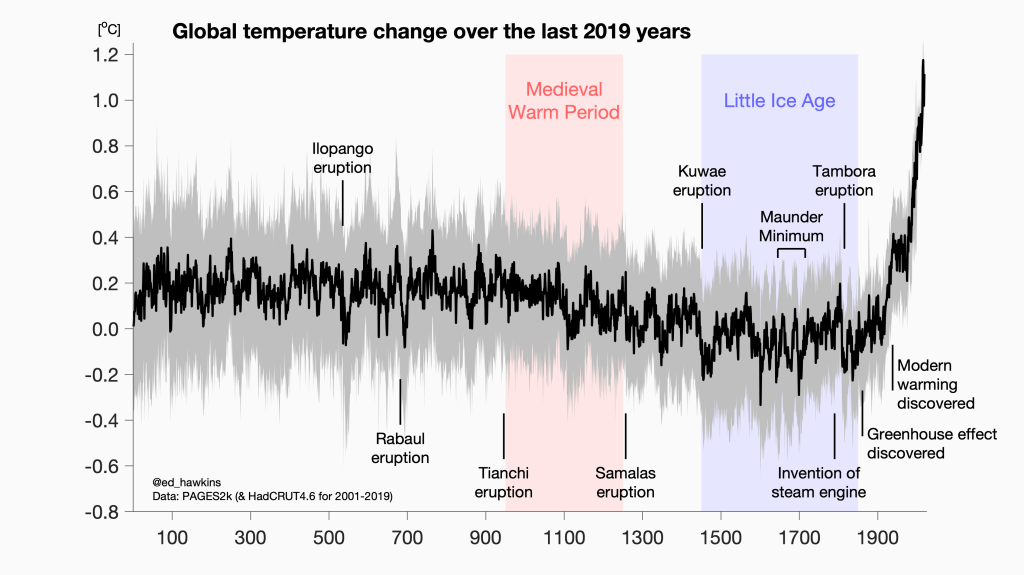
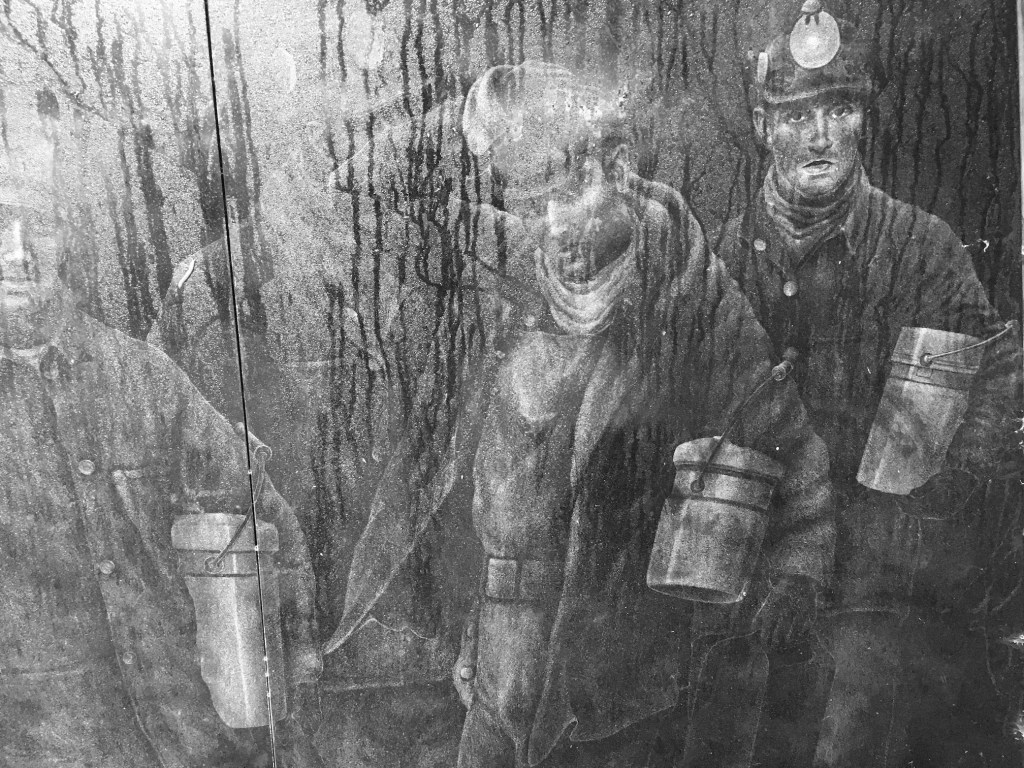


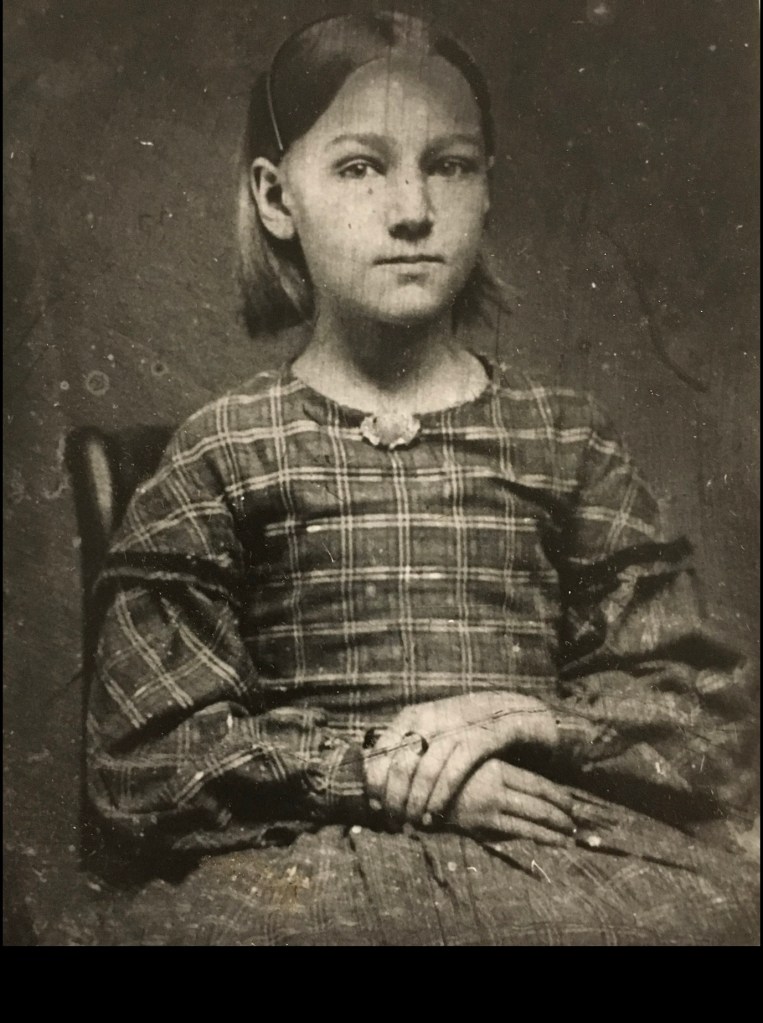
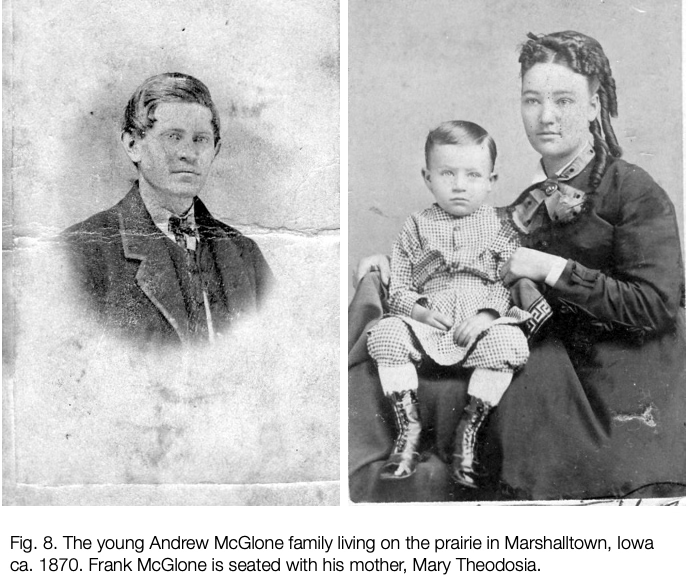
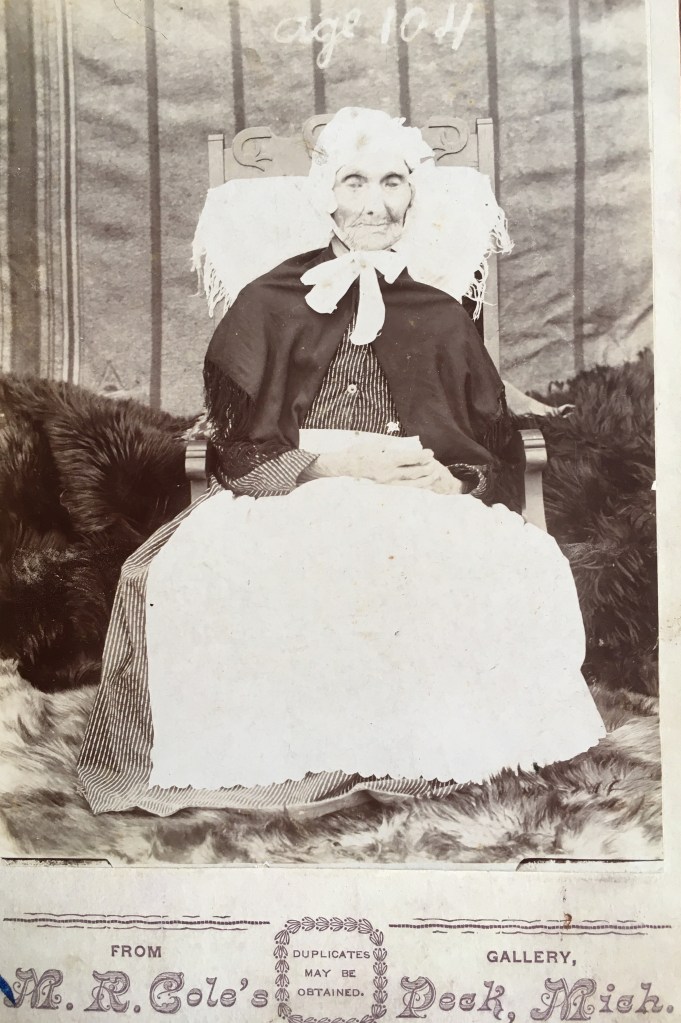
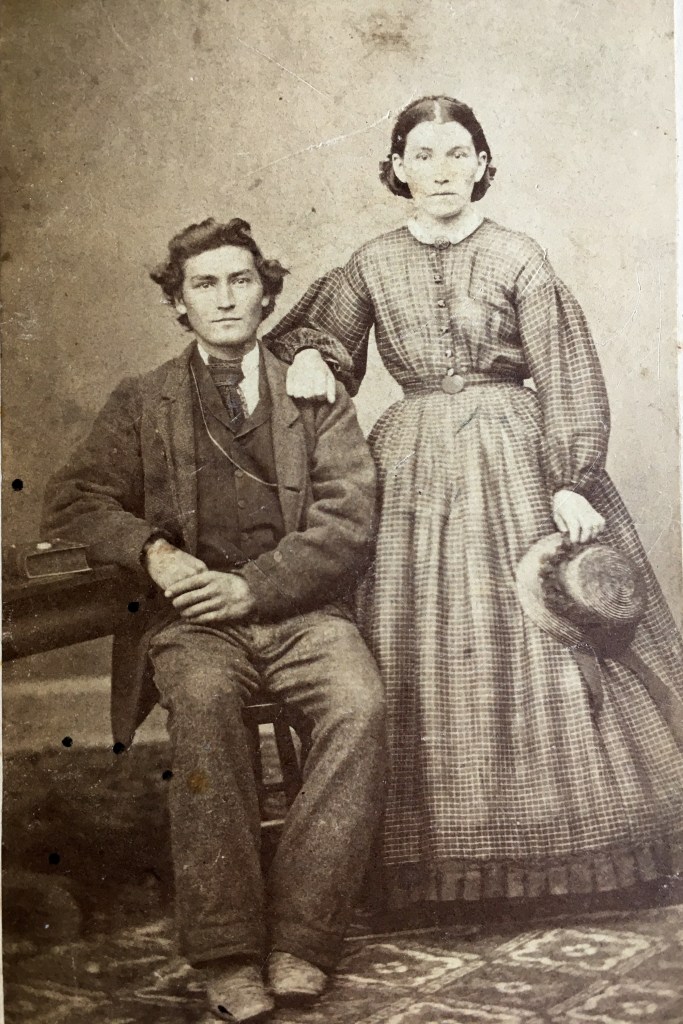


 The Anthropocene Memoir